The NUSD Parcel Tax Proposal
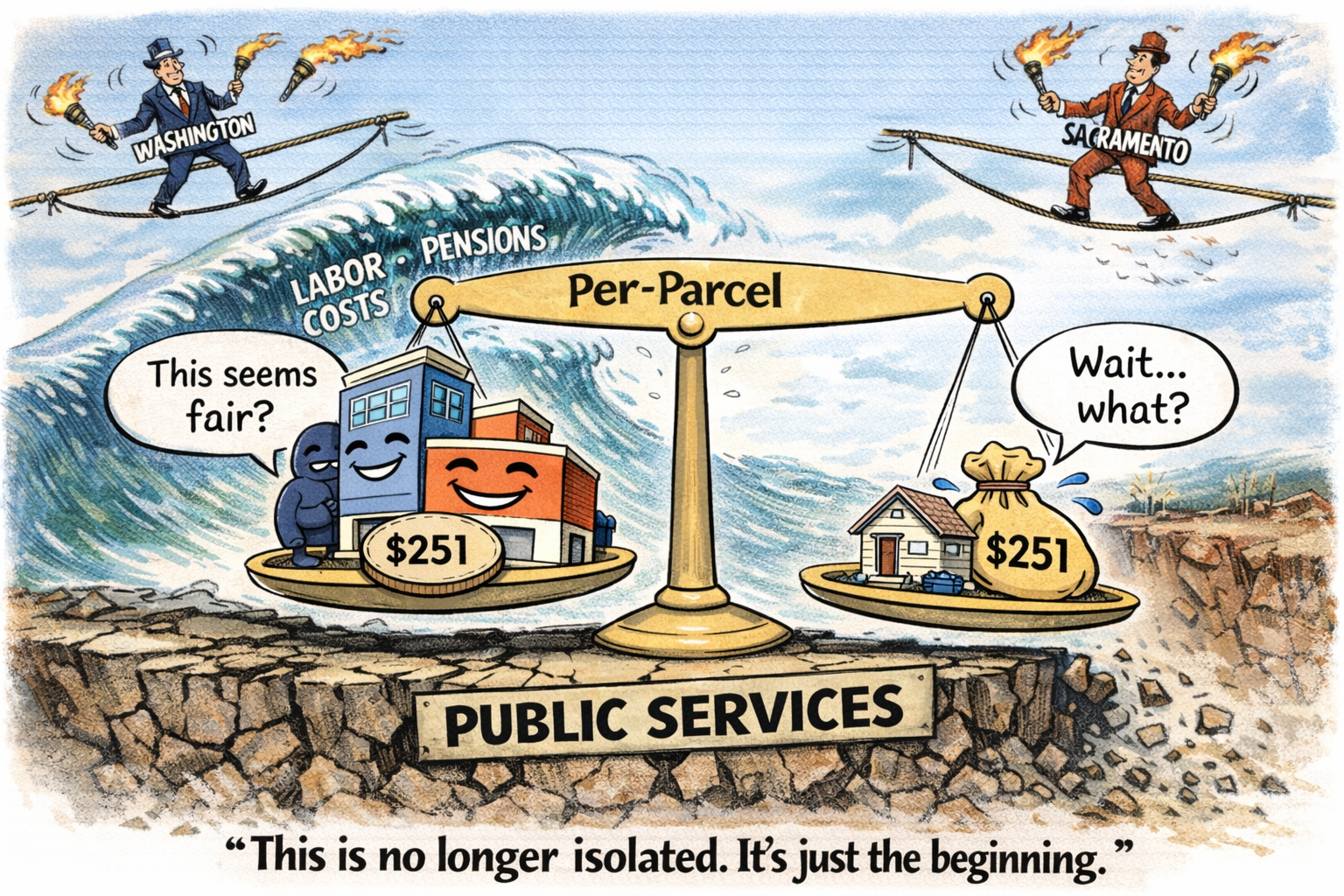
Under NUSD's current flat parcel tax, the owner of a 1,200-square-foot starter home pays exactly the same amount as the owner of a 153,000-square-foot apartment complex. The Board just voted to double down on that design by adding a second flat tax on top of the first, bringing the combined bill to $500 per parcel, with no adjustment for property size and no inflation protection. Novato Stewards believes residents deserve a modernized structure where smaller homes pay less, larger properties contribute proportionally more, and the tax keeps pace with costs over time. We are conducting an independent analysis and developing a detailed alternative for public review before the June 2, 2026 ballot.
Key Facts at a Glance
Current parcel tax (Measure A): $251 per parcel, flat rate, no inflation adjustment since 2009
Proposed new tax: $249 per parcel, flat rate, stacked on top of existing tax
Combined cost if both pass: $500 per parcel, same bill for a starter home and a 153,000 sq ft apartment complex
Ballot date: June 2, 2026
Required to pass: Two-thirds voter approval
Revenue generated by current tax: ~$4.1 million/year, nearly half the $8.1 million the district's own Blue Ribbon Committee said is needed
Core problem: The flat structure has lost nearly half its purchasing power since 2009, and the Board's fix repeats the same design instead of modernizing it
What the Board Just Approved
On February 24, 2026, the NUSD Board of Trustees voted unanimously to place a new $249 per-parcel tax on the June 2 ballot. If approved, this would stack on top of the existing $251 Measure B tax, bringing total parcel tax costs to $500 per parcel. Despite the higher price tag, the Board's proposal repeats the same flawed design: a flat per-parcel rate with no adjustment for building size and no built-in inflation protection.
Why the Current Structure Is Failing
The core problem is structural, not just financial. NUSD's flat $251 parcel tax has not been adjusted since 2009. The district's own Blue Ribbon Committee found in 2022 that restoring the tax to its original inflation-adjusted purchasing power would require approximately $8.1 million annually. The current tax generates only about $4.1 million. In real terms, the district has lost nearly half the value of its local supplemental funding because the tax lacks any escalation clause.
The Board's response is to ask voters to approve a second flat tax rather than modernize the structure. This approach has two fundamental problems.
First, it is inequitable. A flat per-parcel tax ignores building size entirely. Single-family homeowners currently shoulder roughly 86% of all parcel tax revenue simply because they represent 86% of paying parcels, even though multifamily and commercial properties contain substantial building square footage that generates demand for district services. About 6 out of every 7 parcel tax dollars currently come from single-family homeowners.
Second, it will erode again. Without a built-in cost-of-living adjustment, the new $249 tax will lose purchasing power from day one, just as the original tax did. Within a decade, voters will face the same gap and the same request for yet another add-on.
What a Modernized Tax Would Look Like
A per-square-foot parcel tax with a modest cap and a CPI escalator would generate comparable or greater revenue while distributing the burden more fairly. Here is a simplified illustration of how the numbers change:
1,200 sq ft home (Board's flat tax): $500/year. Under a per-square-foot structure at $0.11/sq ft: $132/year. Savings: $368.
1,800 sq ft home (Board's flat tax): $500/year. Under a per-square-foot structure at $0.11/sq ft: $198/year. Savings: $302.
2,500 sq ft home (Board's flat tax): $500/year. Under a per-square-foot structure at $0.11/sq ft: $275/year. Savings: $225.
153,000 sq ft apartment complex (Board's flat tax): $500/year. Under a per-square-foot structure at $0.11/sq ft: $16,830/year. The complex contains dozens of units whose combined square footage means it contributes far more to district enrollment demand than a single home.
These are preliminary illustrative figures. We will publish a detailed homeowner impact table with final rate and cap recommendations by mid-April 2026. The core point stands at any reasonable rate: smaller homes pay less, and the largest properties stop getting a free ride on a flat structure that ignores their size.
The Law Already Supports This
In 2023, the California First Appellate District upheld a per-square-foot school parcel tax with a per-parcel cap in Traiman v. Alameda Unified School District. The California Supreme Court declined to review the decision. Multiple Bay Area districts have since adopted square-foot structures. In plain terms: courts have confirmed that school districts can base parcel taxes on building size with a cap, as long as they apply the same formula to all property types. The legal path is open. The question is whether Novato's Board will take it.
What We Will Publish and When
Novato Stewards is building this analysis in public on a defined timeline before the June 2 ballot:
By late March 2026: Plain-English review of NUSD's current reserves, spending priorities, and where parcel tax revenue actually goes.
By mid-April 2026: Homeowner impact table showing what residents at different home sizes would pay under a modernized per-square-foot structure, with final rate and cap recommendations.
By late April 2026: Renter pass-through analysis examining how parcel taxes affect rental costs in Novato.
By early May 2026: Complete comparison of the Board's flat-tax measure versus our modernized alternative, with answers to the two questions we hear most: whether a restructured tax means higher bills for most homeowners (our preliminary analysis suggests it does not), and what happens to school funding if the current measure fails.
How You Can Help
The ballot is June 2, 2026. Here are five specific things you can do before then:
1. Get on the list: Use the Contact page to add your email. You will receive the homeowner impact table and draft alternative as soon as each is published — before the public release.
2. Share this page on Nextdoor: When neighbors ask about the parcel tax, post the link. The conversation is already happening — make sure the alternative gets heard.
3. Read the proposal before you vote: When we publish our detailed alternative, take ten minutes to compare it with the Board's measure. An informed community makes better decisions.
4. Attend a Board meeting: Public comment periods are your chance to ask the Board why a flat tax is preferable to a square-footage model. Show up, or submit written comment. Every voice on record matters.
5. Talk to your neighbors: Most Novato homeowners don't know a parcel tax vote is coming. A two-minute conversation at the mailbox can change that.
Related: Novato's Deferred Maintenance Crisis — our analysis of the $55 million infrastructure backlog and the case for a voter-approved bond.